Search substance

Please enter substance to start the search

Note: You can search for multiple substances at the same time, each separated by a space, for example: Na Fe

Điểm khác nhau giữa chất nitơ oxit và chất Cacbon tetraflorua

So sánh các tính chất vật lý, hoá học giữa chất nitơ oxit và chất Cacbon tetraflorua


Điểm khác nhau giữa chất nitơ oxit và chất Cacbon tetraflorua

Tính chất nitơ oxit Cacbon tetraflorua
Tên tiếng Việt nitơ oxit Cacbon tetraflorua
Tên tiếng Anh nitrogen monoxide Freon 14; Perfluoromethane; Tetrafluoromethane; Carbon tetrafluoride; R-14[refrigerant]; Halocarbon-14; R-14; Halon-14; Acron-0; Freon-14; FC-14; F-14; DF-14; Fron-14; Freon R-14; CFC-14; Fron 14; PFC-14
Nguyên tử khối 30.00610 ± 0.00050 88.00431 ± 0.00080
Khối lượng riêng (kg/m3) 1269 3.72
Nhiệt độ sôi (°C) khí
Màu sắc màu xanh
Độ âm điện
Năng lượng ion hoá thứ nhất
Phương trình tham gia Phương trình NO tham gia Phương trình CF4 tham gia
Phương trình điều chế Phương trình điều chế NO Phương trình điều chế CF4

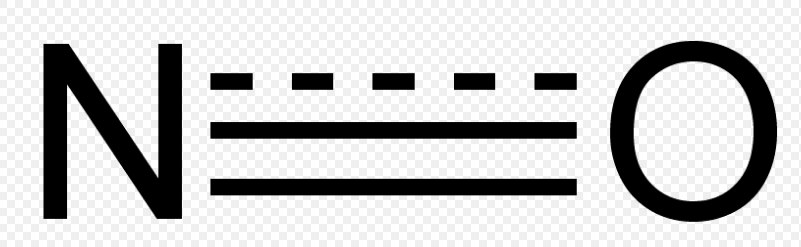
Substance NO (nitơ oxit)

NO-nito+oxit-161

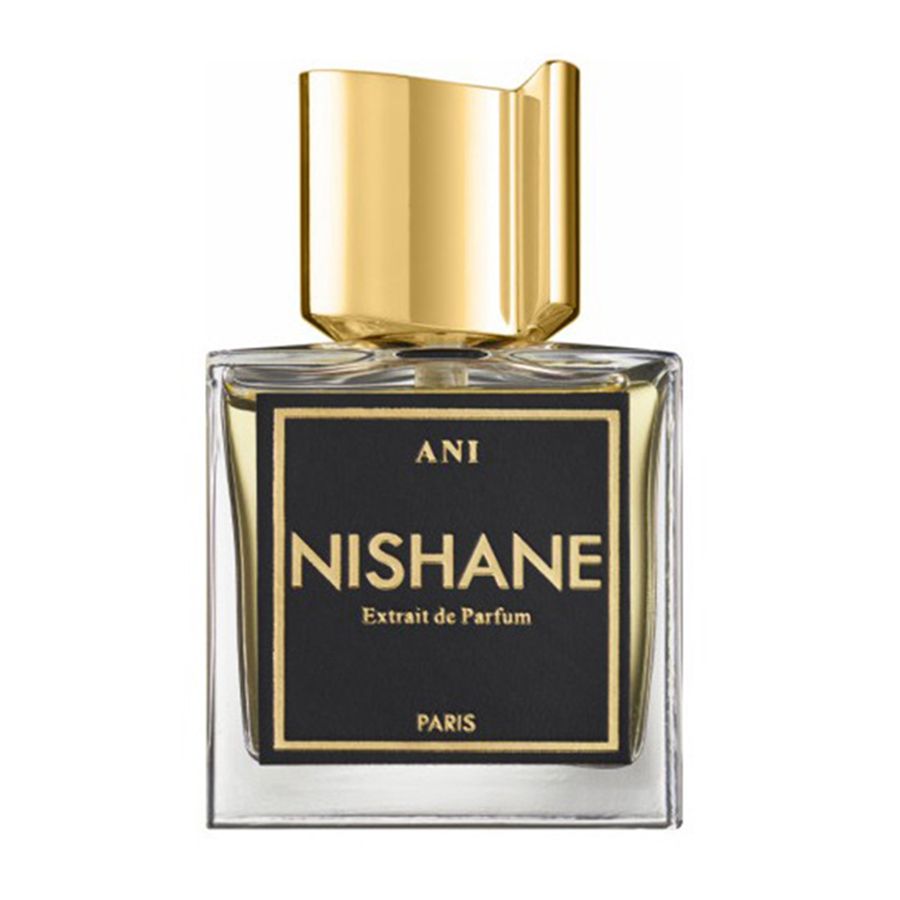
Hỗn hợp Nitric oxit với oxy được sử dụng để chăm sóc đặc biệt để thúc đẩy sự giãn nở của mao mạch và phổi để điều trị cao huyết áp ban đầu ở bệnh nhân sơ sinh[1][Cần cập nhật][2] Và các bệnh hô hấp có liên quan đến dị tật bẩm sinh. Đây thường là giải pháp cuối cùng trước khi sử dụng oxy hóa màng ngoài cơ thể (ECMO). Liệu pháp nitric oxit có tiềm năng làm tăng đáng kể xác suất sinh tồn, và trong một số trường hợp, cứu sống trẻ sơ sinh có nguy cơ bị bệnh mạch phổi. Ngoài ra NO còn là nguyên liệu sản xuất axit nitric, citric, muối nitrat, citrat,...
Substance CF4 (Cacbon tetraflorua)

CF4-Cacbon+tetraflorua-1177

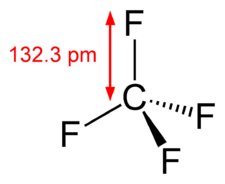
Cacbon tetraflorua hay tetrafluoromethane, Freon 14 là perfluorocarbon đơn giản nhất (CF4). Nó là khí không màu, không mùi, tan ít trong nước, tan trong benzene, chloroform. Cacbon tetraflorua là một chất làm lạnh hữu ích nhưng cũng là một khí nhà kính mạnh. Nó có độ bền liên kết rất cao do bản chất của liên kết cacbon-flo. Sự phân hủy nhiệt hoặc đốt cháy CF4 tạo ra khí độc (cacbonyl florua và cacbon monoxit) và khi có nước cũng sẽ tạo ra hydro florua.

Total rating:

Rating: / 5 star

The equations for preparation NO

View all preparation equations NO

Interesting facts about chemistry you may not know

Interesting facts about hydrogen - the lightest element in the periodic table.

Hydrogen is the first element in the periodic system table. Hydrogen is known to be the lightest of all, the most abundant in the Universe, the essential element for life

View more

Interesting facts about helium

Helium is the first rare gas element in the periodic system table. In the Universe, it ranks second in abundance after elemental hydrogen.

View more

Interesting facts about lithium

Lithium is the alkali metal element, located in the third cell in the periodic table system. Lithium is the lightest of all solid metals and can cut a knife.

View more

Interesting Facts About Beryllium

Beryllium is the lightest alkaline earth metal. Beryllium is found in precious stones such as emeralds and aquamarine. Beryllium and its compounds are both carcinogenic.

View more

Interesting Facts About Carbon

Carbon is the non-metallic element in the sixth cell in the periodic system table. Carbon is one of the most important elements in all life, it is also known as the back.

View more