Search for interesting things about chemistry

Enter any content to start searching

Núi lửa nhân tạo

Cách tạo ra một ngọn núi lửa nhân tạo ở nhà chỉ trong vài phút.


Cách tạo ra một ngọn núi lửa nhân tạo ở nhà

Bạn có thể đánh thức một ngọn núi lửa đang ngủ yên của riêng mình ở nhà chỉ trong vài phút. Yêu cầu đối với thí nghiệm này đòi hỏi các thao tác, kỹ năng thực hiện của bạn phải cẩn thận và chính xác.

hinh-anh-nui-lua-nhan-tao-31-0Núi lửa phun trào tự nhiên

1. Dụng cụ

- Nhựa dẻo

- Nước

- Nước ngọt

- Giấm

- Màu thực phẩm đỏ và cam

2. Cách thực hiện

Bước 1. Tạo ra một ngọn núi lửa không hoạt động

Làm một hình nón từ nhựa dẻo để nó giống như một ngọn núi lửa. Đặt nó trên một tấm phẳng. Đĩa này phải lớn hơn chân núi lửa để tạo khoảng trống cho dung nham phun trào. Phần đế có thể được trang trí bằng cỏ xanh để tạo hiệu ứng thị giác.

Bước 2. Chuẩn bị dung nham

Đổ soda nhà bếp vào miệng núi lửa. Số lượng phụ thuộc vào kích thước của núi lửa. Không lấp đầy bên trong núi lửa quá 30%. Sau đó thêm màu thực phẩm. Màu sắc là rất quan trọng. Hiệu quả tốt nhất đến từ việc kết hợp màu đỏ và cam. Nó càng sáng, dung nham sẽ trông càng tự nhiên. Bạn nên thực hiện bước một và bước hai trước khi hiển thị mẹo cho người xem. Điều này sẽ giúp tạo ấn tượng tối đa. 

Bước 3. Thực hiện phun trào

Sau khi chuẩn bị cho khán giả và kể cho họ nghe về sự thức tỉnh kỳ diệu, độc đáo của núi lửa, bạn có thể bắt đầu thực hiện thủ thuật. Cẩn thận thêm giấm và quan sát sự phun trào và khuôn mặt đáng kinh ngạc của người xem. Tốt hơn là đổ giấm từ một chai trong suốt hấp dẫn. Giấm sẽ giống như nước thông thường. Điều này càng giúp người xem kinh ngạc hơn. 
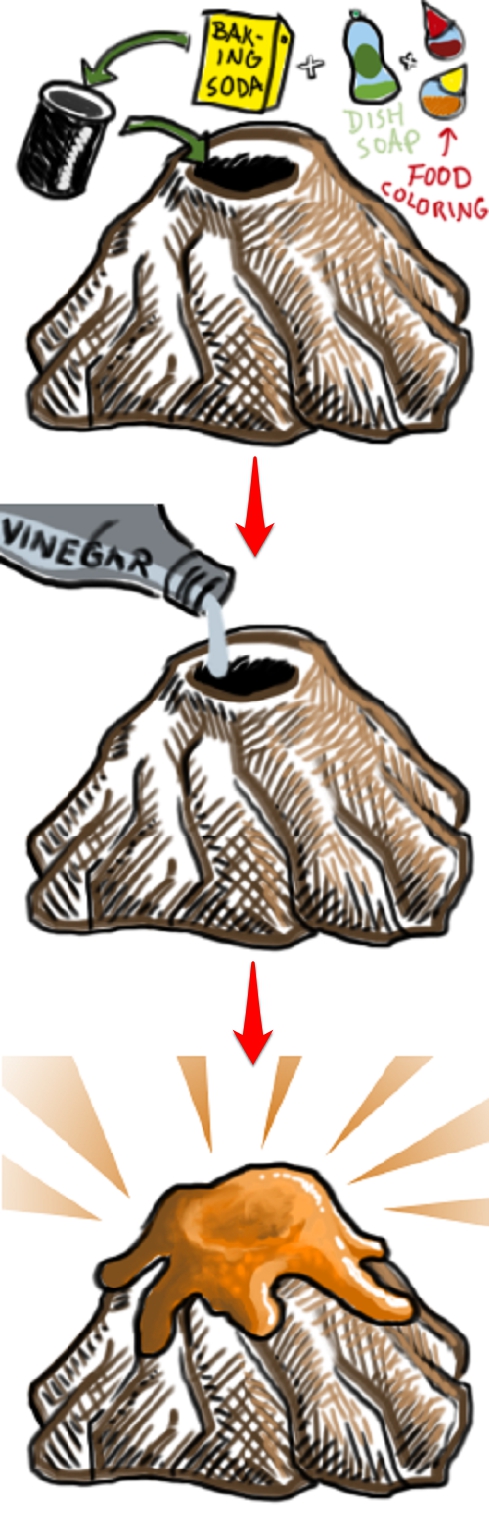
hinh-anh-nui-lua-nhan-tao-31-1Các bước làm núi lửa phun trào tại nhà
Total rating:

Rating: / 5 star

Related interesting facts

Interesting facts about lithium

Lithium is the alkali metal element, located in the third cell in the periodic table system. Lithium is the lightest of all solid metals and can cut a knife.

Interesting facts about Calcium

Calcium is known to be the main building block of bones, the 5th most abundant in the Earth's crust. The common compound of calcium, calcium carbonate, is commonly known

Interesting Facts About Fluorine

Fluorine is a typical, very active non-metal. It is the one with the highest electronegativity of all the elements.

Interesting facts about hydrogen - the lightest element in the periodic table.

Hydrogen is the first element in the periodic system table. Hydrogen is known to be the lightest of all, the most abundant in the Universe, the essential element for life

Interesting facts about chromium

Chromium is a member of the transition metal element group. It is known to add sparkle and value to minerals.

See all interesting facts

Interesting facts about chemistry you may not know

Interesting facts about hydrogen - the lightest element in the periodic table.

Hydrogen is the first element in the periodic system table. Hydrogen is known to be the lightest of all, the most abundant in the Universe, the essential element for life

View more

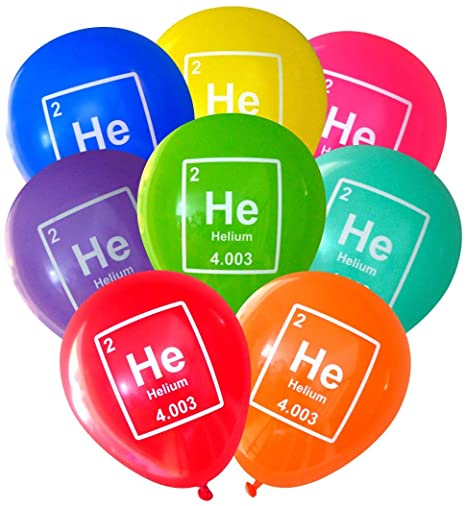
Interesting facts about helium

Helium is the first rare gas element in the periodic system table. In the Universe, it ranks second in abundance after elemental hydrogen.

View more

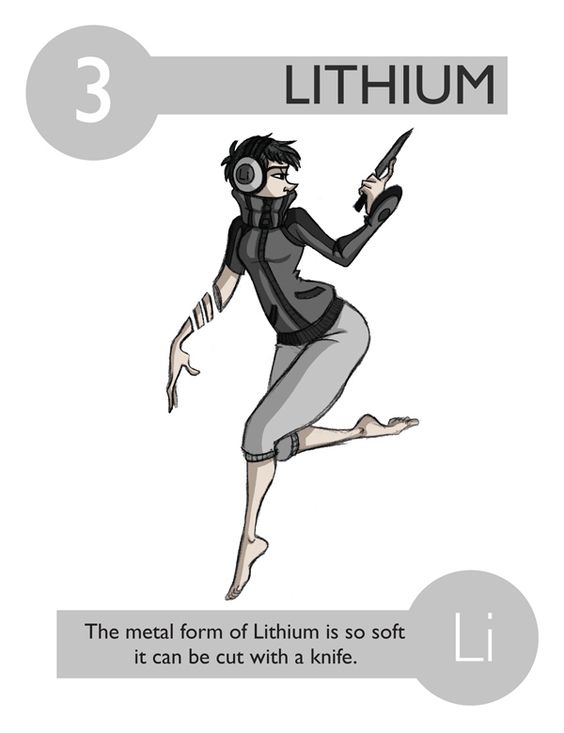
Interesting facts about lithium

Lithium is the alkali metal element, located in the third cell in the periodic table system. Lithium is the lightest of all solid metals and can cut a knife.

View more

Interesting Facts About Beryllium

Beryllium is the lightest alkaline earth metal. Beryllium is found in precious stones such as emeralds and aquamarine. Beryllium and its compounds are both carcinogenic.

View more

Interesting Facts About Carbon

Carbon is the non-metallic element in the sixth cell in the periodic system table. Carbon is one of the most important elements in all life, it is also known as the back.

View more