 Periodic table
  Electron configuration
  Solubility table
  Metal operating range
  News
News 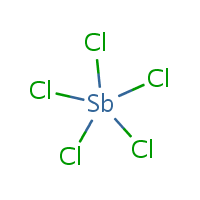
Search substance
Please enter substance to start the search
Điểm khác nhau giữa chất Antimon(V) clorua và chất Niken
So sánh các tính chất vật lý, hoá học giữa chất Antimon(V) clorua và chất Niken
Introduce
Điểm khác nhau giữa chất Antimon(V) clorua và chất Niken
| Tính chất | Antimon(V) clorua | Niken |
|---|---|---|
| Tên tiếng Việt | Antimon(V) clorua | Niken |
| Tên tiếng Anh | Antimony chloride; Pentachloroantimony(V); Antimony pentachloride; Amtimony pentachloride; Antimony(V) chloride; Antimony(V)pentachloride; Pentachloroantimony | nickel |
| Nguyên tử khối | 299.0250 | 58.69340 ± 0.00040 |
| Khối lượng riêng (kg/m3) | 2.336 | 8908 |
| Nhiệt độ sôi (°C) | Lỏng | Rắn |
| Màu sắc | Không màu hoặc màu vàng | Trắng bạc |
| Độ âm điện | 1.91 | |
| Năng lượng ion hoá thứ nhất | 737.1 | |
| Phương trình tham gia | Phương trình SbCl5 tham gia | Phương trình Ni tham gia |
| Phương trình điều chế | Phương trình điều chế SbCl5 | Phương trình điều chế Ni |
Substance Ni (Niken)
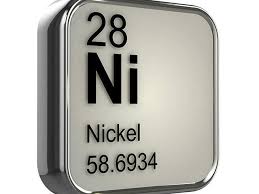
Khoảng 65% niken được tiêu thụ ở phương Tây được dùng làm thép không rỉ. 12% còn lại được dùng làm "siêu hợp kim". 23% còn lại được dùng trong luyện thép, pin sạc, chất xúc tác và các hóa chất khác, đúc tiền, sản phẩm đúc, và bảng kim loại. Khách hàng lớn nhất của niken là Nhật Bản, tiêu thụ 169.600 tấn mỗi năm (2005) 1. Các ứng dụng của niken bao gồm: Thép không rỉ và các hợp kim chống ăn mòn. Hợp kim Alnico dùng làm nam châm. Hợp kim NiFe - Permalloy dùng làm vật liệu từ mềm. Kim loại Monel là hợp kim đồng-niken chống ăn mòn tốt, được dùng làm chân vịt cho thuyền và máy bơm trong công nghiệp hóa chất. Pin sạc, như pin niken kim loại hiđrua (NiMH) và pin niken-cadmi (NiCd). Tiền xu. Dùng làm điện cực. Trong nồi nấu hóa chất bằng kim loại trong phòng thí nghiệm. Làm chất xúc tác cho quá trình hiđrô hóa (no hóa) dầu thực vật.
Total rating:
Rating: / 5 star
Loading...
The equations for preparation SbCl5
Catalyst
normal
Temperature
74 - 80
Pressure
normal
Other conditions
normal
The equations for preparation Ni
Catalyst
normal
Temperature
200 - 400
Pressure
normal
Other conditions
normal
Catalyst
normal
Temperature
300 - 400
Pressure
normal
Other conditions
normal
Catalyst
normal
Temperature
normal
Pressure
normal
Other conditions
normal
Interesting facts about chemistry you may not know
Interesting facts about hydrogen - the lightest element in the periodic table.
Hydrogen is the first element in the periodic system table. Hydrogen is known to be the lightest of all, the most abundant in the Universe, the essential element for life
View moreInteresting facts about helium
Helium is the first rare gas element in the periodic system table. In the Universe, it ranks second in abundance after elemental hydrogen.
View moreInteresting facts about lithium
Lithium is the alkali metal element, located in the third cell in the periodic table system. Lithium is the lightest of all solid metals and can cut a knife.
View moreInteresting Facts About Beryllium
Beryllium is the lightest alkaline earth metal. Beryllium is found in precious stones such as emeralds and aquamarine. Beryllium and its compounds are both carcinogenic.
View moreInteresting Facts About Carbon
Carbon is the non-metallic element in the sixth cell in the periodic system table. Carbon is one of the most important elements in all life, it is also known as the back.
View more