 Periodic table
  Electron configuration
  Solubility table
  Metal operating range
  News
News 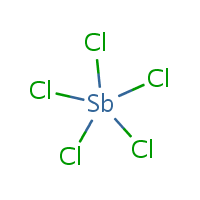
Search substance
Please enter substance to start the search
Điểm khác nhau giữa chất Antimon(V) clorua và chất Canxi oxalat
So sánh các tính chất vật lý, hoá học giữa chất Antimon(V) clorua và chất Canxi oxalat
Introduce
Điểm khác nhau giữa chất Antimon(V) clorua và chất Canxi oxalat
| Tính chất | Antimon(V) clorua | Canxi oxalat |
|---|---|---|
| Tên tiếng Việt | Antimon(V) clorua | Canxi oxalat |
| Tên tiếng Anh | Antimony chloride; Pentachloroantimony(V); Antimony pentachloride; Amtimony pentachloride; Antimony(V) chloride; Antimony(V)pentachloride; Pentachloroantimony | Oxalic acid calcium; Oxalic acid calcium salt; Calcium oxalate; Calcium Oxalate |
| Nguyên tử khối | 299.0250 | 128.0970 |
| Khối lượng riêng (kg/m3) | 2.336 | |
| Nhiệt độ sôi (°C) | Lỏng | |
| Màu sắc | Không màu hoặc màu vàng | |
| Độ âm điện | ||
| Năng lượng ion hoá thứ nhất | ||
| Phương trình tham gia | Phương trình SbCl5 tham gia | Phương trình CaC2O4 tham gia |
| Phương trình điều chế | Phương trình điều chế SbCl5 | Phương trình điều chế CaC2O4 |
Substance CaC2O4 (Canxi oxalat)
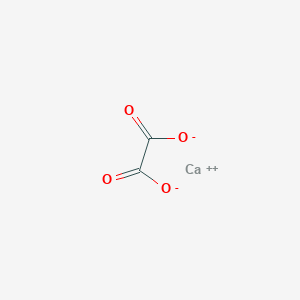
Canxi oxalat là muối canxi của axit oxalic, lượng dư này trong nước tiểu có thể dẫn đến hình thành sỏi oxalat (sỏi thận). Canxi oxalat là một loại bột tinh thể màu trắng. Không tan trong nước, axit axetic, hòa tan trong axit clohydric loãng hoặc axit nitric loãng. Công thức hóa học tổng quát của nó là CaC2O4 hay Ca(COO)2. Một lượng lớn canxi oxalat được tìm thấy trong các thực vật có chất độc như vạn niên thanh (Dieffenbachia spp.). Nó cũng được tìm thấy trong lá đại hoàng (Rheum spp.), các chủng loại chua me đất (Oxalis spp.), các loài khác trong họ ráy (Araceae) như khoai nước (Colocasia esculenta), trong quả dương đào (Actinidia deliciosa) hay các loài thùa (Agave), và ở lượng nhỏ trong rau bina (Spinacia oleracea). Các tinh thể canxi oxalat không hòa tan được tìm thấy trong thân, lá và rễ cây.
Total rating:
Rating: / 5 star
Loading...
The equations for preparation SbCl5
Catalyst
normal
Temperature
74 - 80
Pressure
normal
Other conditions
normal
The equations for preparation CaC2O4
+ → 2 +
Catalyst
normal
Temperature
normal
Pressure
normal
Other conditions
normal
Interesting facts about chemistry you may not know
Interesting facts about hydrogen - the lightest element in the periodic table.
Hydrogen is the first element in the periodic system table. Hydrogen is known to be the lightest of all, the most abundant in the Universe, the essential element for life
View moreInteresting facts about helium
Helium is the first rare gas element in the periodic system table. In the Universe, it ranks second in abundance after elemental hydrogen.
View moreInteresting facts about lithium
Lithium is the alkali metal element, located in the third cell in the periodic table system. Lithium is the lightest of all solid metals and can cut a knife.
View moreInteresting Facts About Beryllium
Beryllium is the lightest alkaline earth metal. Beryllium is found in precious stones such as emeralds and aquamarine. Beryllium and its compounds are both carcinogenic.
View moreInteresting Facts About Carbon
Carbon is the non-metallic element in the sixth cell in the periodic system table. Carbon is one of the most important elements in all life, it is also known as the back.
View more