Search substance

Please enter substance to start the search

Note: You can search for multiple substances at the same time, each separated by a space, for example: Na Fe

Điểm khác nhau giữa chất Axit selenic và chất Chì(II) sulfat

So sánh các tính chất vật lý, hoá học giữa chất Axit selenic và chất Chì(II) sulfat


Điểm khác nhau giữa chất Axit selenic và chất Chì(II) sulfat

Tính chất Axit selenic Chì(II) sulfat
Tên tiếng Việt Axit selenic Chì(II) sulfat
Tên tiếng Anh selenic acid C.I.77630; Anglislite; Fast White; Milk White; C.I.Pigment White 3; Sulfuric acid lead(II); Plumbous sulfate; Lead(II) sulfate; Freemans White Lead; NA-2291; Lead Bottoms; Mulhouse White; Sulfuric acid lead(II) salt; Anglesite
Nguyên tử khối 144.9735 303.2626
Khối lượng riêng (kg/m3) 6290
Nhiệt độ sôi (°C)
Màu sắc
Độ âm điện
Năng lượng ion hoá thứ nhất
Phương trình tham gia Phương trình H2SeO4 tham gia Phương trình PbSO4 tham gia
Phương trình điều chế Phương trình điều chế H2SeO4 Phương trình điều chế PbSO4

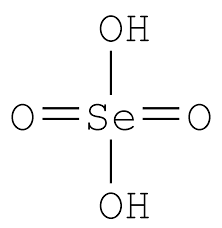
Substance H2SeO4 (Axit selenic)

H2SeO4-Axit+selenic-1031

Axit selenic là một hợp chất hữu cơ có công thức hóa học H2SeO4. Nó có thể được tìm thấy trong các chất bổ sung chế độ ăn uống hàng ngày không cần kê đơn như là một khoáng chất vi lượng thiết yếu cho sức khỏe con người. Nó có dạng chất rắn kết tinh màu trắng. Rất ăn mòn da, mắt và màng nhầy. Ăn mòn kim loại. Độc do hấp thụ qua da và qua đường tiêu hóa.
Substance PbSO4 (Chì(II) sulfat)

PbSO4-Chi(II)+sulfat-1118

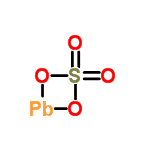
Chì sulfat có dạng chất rắn kết tinh màu trắng. Không hòa tan trong nước, không hòa tan trong rượu, hòa tan trong amoni axetat (> 6M), hòa tan trong amoni tartrat với sự có mặt của amoni clorua và amoniac. Tiếp xúc có thể gây kích ứng da, mắt và niêm mạc. Có thể gây độc nhẹ khi nuốt phải, hít phải và hấp thụ qua da. Chì (II) sulfat được điều chế bằng cách xử lý oxit, hydroxit hoặc cacbonat với axit sulfuric nóng, hoặc bằng cách xử lý muối hòa tan với axit sulfuric. Ngoài ra, nó có thể được tạo ra bởi sự trao đổi phản ứng của các dịch vụ sử dụng của kim loại nitrat và natri sunfat.

Total rating:

Rating: / 5 star


Interesting facts about chemistry you may not know

Interesting facts about hydrogen - the lightest element in the periodic table.

Hydrogen is the first element in the periodic system table. Hydrogen is known to be the lightest of all, the most abundant in the Universe, the essential element for life

View more

Interesting facts about helium

Helium is the first rare gas element in the periodic system table. In the Universe, it ranks second in abundance after elemental hydrogen.

View more

Interesting facts about lithium

Lithium is the alkali metal element, located in the third cell in the periodic table system. Lithium is the lightest of all solid metals and can cut a knife.

View more

Interesting Facts About Beryllium

Beryllium is the lightest alkaline earth metal. Beryllium is found in precious stones such as emeralds and aquamarine. Beryllium and its compounds are both carcinogenic.

View more

Interesting Facts About Carbon

Carbon is the non-metallic element in the sixth cell in the periodic system table. Carbon is one of the most important elements in all life, it is also known as the back.

View more