Search substance

Please enter substance to start the search

Note: You can search for multiple substances at the same time, each separated by a space, for example: Na Fe

Điểm khác nhau giữa chất 1,1,2-Tricloroetan và chất bạc bromua

So sánh các tính chất vật lý, hoá học giữa chất 1,1,2-Tricloroetan và chất bạc bromua


Điểm khác nhau giữa chất 1,1,2-Tricloroetan và chất bạc bromua

Tính chất 1,1,2-Tricloroetan bạc bromua
Tên tiếng Việt 1,1,2-Tricloroetan bạc bromua
Tên tiếng Anh beta-Trichloroethane; Vinyl trichloride; 1,1,2-Trichloroethane; Ethane trichloride; beta-T; RCRA waste number U-227; NCI-C-04579; R-140; 1,2,2-Trichloroethane silver bromide
Nguyên tử khối 133.4042 187.7722
Khối lượng riêng (kg/m3) 1.435 6.473
Nhiệt độ sôi (°C)
Màu sắc
Độ âm điện
Năng lượng ion hoá thứ nhất
Phương trình tham gia Phương trình CHCl2CH2Cl tham gia Phương trình AgBr tham gia
Phương trình điều chế Phương trình điều chế CHCl2CH2Cl Phương trình điều chế AgBr

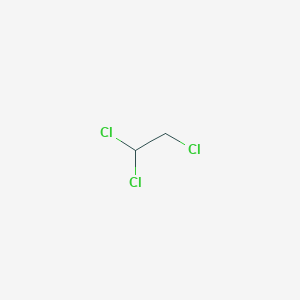
Substance CHCl2CH2Cl (1,1,2-Tricloroetan)

CHCl2CH2Cl-1,1,2-Tricloroetan-1207

1,1,2-Tricloroetan là chất lỏng không màu, có mùi ngọt, không dễ cháy, không hòa tan trong nước, hòa tan trong các dung môi hữu cơ và bay hơi dễ dàng. Nó được sử dụng làm dung môi (hóa chất hòa tan các chất khác) và là chất trung gian trong quá trình sản xuất hóa chất, 1,1-dichloroethane. 1,1,2-Trichloroethane đôi khi có mặt như một tạp chất trong các hóa chất khác và nó có thể được hình thành khi một hóa chất khác bị phân hủy trong môi trường ở điều kiện không có không khí.
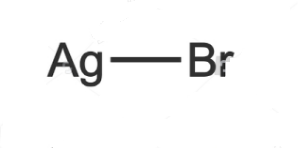
Substance AgBr (bạc bromua)

AgBr-bac+bromua-9

Do tính chất nhạy sáng, các ứng dụng chính của bạc bromua là trong nhiếp ảnh. Nó được sử dụng trong phim ảnh và tấm. Nó cũng được sử dụng cho các ứng dụng hồng ngoại, cho kính mắt nhạy sáng và chất bán dẫn. Giống như một số loại bạc halogenua khác, nó cũng có đặc tính khử trùng và được sử dụng như một chất khử trùng và làm se da tại chỗ.

Total rating:

Rating: / 5 star

The equations for preparation AgBr

View all preparation equations AgBr

Interesting facts about chemistry you may not know

Interesting facts about hydrogen - the lightest element in the periodic table.

Hydrogen is the first element in the periodic system table. Hydrogen is known to be the lightest of all, the most abundant in the Universe, the essential element for life

View more

Interesting facts about helium

Helium is the first rare gas element in the periodic system table. In the Universe, it ranks second in abundance after elemental hydrogen.

View more

Interesting facts about lithium

Lithium is the alkali metal element, located in the third cell in the periodic table system. Lithium is the lightest of all solid metals and can cut a knife.

View more

Interesting Facts About Beryllium

Beryllium is the lightest alkaline earth metal. Beryllium is found in precious stones such as emeralds and aquamarine. Beryllium and its compounds are both carcinogenic.

View more

Interesting Facts About Carbon

Carbon is the non-metallic element in the sixth cell in the periodic system table. Carbon is one of the most important elements in all life, it is also known as the back.

View more