Search substance

Please enter substance to start the search

Note: You can search for multiple substances at the same time, each separated by a space, for example: Na Fe

Điểm khác nhau giữa chất 1-Propanol và chất Methanamid

So sánh các tính chất vật lý, hoá học giữa chất 1-Propanol và chất Methanamid


Điểm khác nhau giữa chất 1-Propanol và chất Methanamid

Tính chất 1-Propanol Methanamid
Tên tiếng Việt 1-Propanol Methanamid
Tên tiếng Anh propan-1-ol Formamide; Methanamide; Formic acid amide; Aminoformaldehyde; Formimidic acid; Formylamine; Aminomethanone; Iminomethanol; 1-Iminomethanol; Methanimidic acid
Nguyên tử khối 60.0950 45.0406
Khối lượng riêng (kg/m3) 803
Nhiệt độ sôi (°C) Chất lỏng
Màu sắc trong suốt
Độ âm điện
Năng lượng ion hoá thứ nhất
Phương trình tham gia Phương trình CH3CH2CH2OH tham gia Phương trình HCONH2 tham gia
Phương trình điều chế Phương trình điều chế CH3CH2CH2OH Phương trình điều chế HCONH2

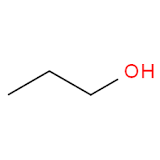
Substance CH3CH2CH2OH (1-Propanol)

CH3CH2CH2OH-1-Propanol-335

1-Prôpanol là một loại rượu với công thức phân tử CH3CH2CH2OH. Nó còn được biết đến với các tên gọi Prôpan-1-ol, rượu 1-prôpylic, rượu n-prôpylic hay đơn giản là prôpanol. Nó được sử dụng như là dung môi trong công nghiệp dược phẩm cũng như để chế tạo nhựa tổng hợp và các este xenluloza.

Substance HCONH2 (Methanamid)

HCONH2-Methanamid-983

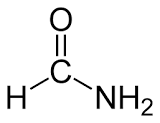
Methanamid hay formamid là một dẫn xuất của axit formic. Nó là một chất lỏng trong suốt, có thể trộn với nước và có mùi giống như amonia. Nó là nguyên liệu hóa học để sản xuất thuốc sulfa, các sản phẩm dược khác, thuốc diệt cỏ, thuốc trừ sâu và sản xuất axít hydrocyanic. Nó từng được dùng làm chất mềm giấy và sợi. Đây là một loại dung môi hòa tan nhiều hợp chất. Nó cũng được dùng làm dung môi cho nhựa và chất dẻo. Formamid sẽ bắt đầu phản hủy từng phân thành cacbon monoxit và amonia ở 180 °C. Khi nung nhiệt cao, formamid phân hủy thành hydro cyanide (HCN) và hơi nước. Quá trình sản xuất công nghiệp hiện tại của formamid liên quan đến hoặc là phản ứng cacbon mônôxít và amonia: CO + NH3 → HCONH2 Formamid là chất bị nghi ngờ gây ung thư, có thể xảy thai và gây tổn thương các cơ quan nếu tiếp xúc nhiều lần hoặc kéo dài

Total rating:

Rating: / 5 star


Interesting facts about chemistry you may not know

Interesting facts about hydrogen - the lightest element in the periodic table.

Hydrogen is the first element in the periodic system table. Hydrogen is known to be the lightest of all, the most abundant in the Universe, the essential element for life

View more

Interesting facts about helium

Helium is the first rare gas element in the periodic system table. In the Universe, it ranks second in abundance after elemental hydrogen.

View more

Interesting facts about lithium

Lithium is the alkali metal element, located in the third cell in the periodic table system. Lithium is the lightest of all solid metals and can cut a knife.

View more

Interesting Facts About Beryllium

Beryllium is the lightest alkaline earth metal. Beryllium is found in precious stones such as emeralds and aquamarine. Beryllium and its compounds are both carcinogenic.

View more

Interesting Facts About Carbon

Carbon is the non-metallic element in the sixth cell in the periodic system table. Carbon is one of the most important elements in all life, it is also known as the back.

View more