Search substance

Please enter substance to start the search

Note: You can search for multiple substances at the same time, each separated by a space, for example: Na Fe

Điểm khác nhau giữa chất Axit 2-methoxyaxetic và chất Diclo trioxit

So sánh các tính chất vật lý, hoá học giữa chất Axit 2-methoxyaxetic và chất Diclo trioxit


Điểm khác nhau giữa chất Axit 2-methoxyaxetic và chất Diclo trioxit

Tính chất Axit 2-methoxyaxetic Diclo trioxit
Tên tiếng Việt Axit 2-methoxyaxetic Diclo trioxit
Tên tiếng Anh Methoxyacetic acid; 2-Methoxyacetic acid dichlorine trioxide
Nguyên tử khối 90.0779 118.9042
Khối lượng riêng (kg/m3)
Nhiệt độ sôi (°C)
Màu sắc
Độ âm điện
Năng lượng ion hoá thứ nhất
Phương trình tham gia Phương trình HC3H5O3 tham gia Phương trình Cl2O3 tham gia
Phương trình điều chế Phương trình điều chế HC3H5O3 Phương trình điều chế Cl2O3

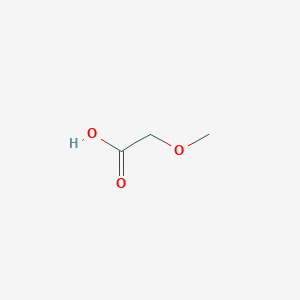
Substance HC3H5O3 (Axit 2-methoxyaxetic)

HC3H5O3-Axit+2-methoxyaxetic-988

Axit metoxyacetic là một chất lỏng trong, không màu, trộn lẫn với nước. Nó là axit axetic trong đó một trong các hydro metyl được thay thế bằng một nhóm metoxy. Nó có vai trò như một chất chuyển hóa xenobiotic ở người, một chất cảm ứng apoptosis, một chất gây đột biến và một chất chống ung thư. Axit metoxyacetic độc khi ăn phải, có thể gây quái thai. Khi đun nóng để phân hủy nó phát ra khói chát và khói gây khó chịu.
Substance Cl2O3 (Diclo trioxit)

Cl2O3-Diclo+trioxit-503

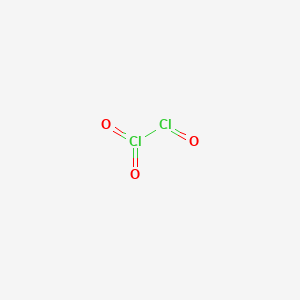
Dioxit trioxit, Cl2O3, là một oxit clo. Nó là một chất khí màu nâu sẫm được phát hiện vào năm 1967, có thể nổ ngay cả khi ở dưới 0°C. Nó rất dễ hòa tan và tạo thành axit clo nếu hòa tan trong nước: Cl2O3 (khí) + H2O → 2H2ClO2 (aq) Dioxit trioxit kém ổn định hơn axit clo, do đó không được sử dụng thương mại như một chất oxy hóa. Độ hòa tan trong nước thấp, khoảng 3,42g/100 ml nước nhưng nó phản ứng chậm để tạo thành axit clo ở nhiệt độ phòng. Tăng nhiệt độ làm cho nó bị phân hủy tạo thành khí clo vẫn hòa tan trong dung dịch nước.

Total rating:

Rating: / 5 star


Interesting facts about chemistry you may not know

Interesting facts about hydrogen - the lightest element in the periodic table.

Hydrogen is the first element in the periodic system table. Hydrogen is known to be the lightest of all, the most abundant in the Universe, the essential element for life

View more

Interesting facts about helium

Helium is the first rare gas element in the periodic system table. In the Universe, it ranks second in abundance after elemental hydrogen.

View more

Interesting facts about lithium

Lithium is the alkali metal element, located in the third cell in the periodic table system. Lithium is the lightest of all solid metals and can cut a knife.

View more

Interesting Facts About Beryllium

Beryllium is the lightest alkaline earth metal. Beryllium is found in precious stones such as emeralds and aquamarine. Beryllium and its compounds are both carcinogenic.

View more

Interesting Facts About Carbon

Carbon is the non-metallic element in the sixth cell in the periodic system table. Carbon is one of the most important elements in all life, it is also known as the back.

View more