Search substance

Please enter substance to start the search

Note: You can search for multiple substances at the same time, each separated by a space, for example: Na Fe

Điểm khác nhau giữa chất Bạc cabonat và chất Đồng(II) selenua

So sánh các tính chất vật lý, hoá học giữa chất Bạc cabonat và chất Đồng(II) selenua


Điểm khác nhau giữa chất Bạc cabonat và chất Đồng(II) selenua

Tính chất Bạc cabonat Đồng(II) selenua
Tên tiếng Việt Bạc cabonat Đồng(II) selenua
Tên tiếng Anh Copper(II) selenide; Copper monoselenide
Nguyên tử khối 275.7453 142.5060
Khối lượng riêng (kg/m3) 6077
Nhiệt độ sôi (°C) chất rắn
Màu sắc tinh thể vàng nhạt
Độ âm điện
Năng lượng ion hoá thứ nhất
Phương trình tham gia Phương trình Ag2CO3 tham gia Phương trình CuSe tham gia
Phương trình điều chế Phương trình điều chế Ag2CO3 Phương trình điều chế CuSe

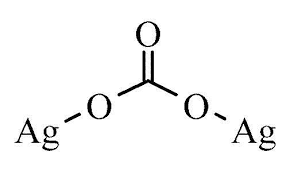
Substance Ag2CO3 (Bạc cabonat)

Ag2CO3-Bac+cabonat-217

Ứng dụng chính của bạc(I) cacbonat là để sản xuất bột bạc để sử dụng trong vi điện tử. Nó được cho tác dụng với formandehit, tạo ra bạc không chứa kim loại kiềm: Ag2CO3 + CH2O → 2Ag + 2CO2 + H2 Bạc(I) cacbonat được sử dụng làm chất thử trong tổng hợp hữu cơ như phản ứng Koenigs-Knorr. Trong quá trình oxy hóa Fétizon, cacbonat bạc trên celite đóng vai trò như một chất oxy hóa để hình thành lactones từ diol. Nó cũng được sử dụng để chuyển đổi ankyl bromua thành rượu. Là một hợp chất có tính bazơ, nó được sử dụng trong phản ứng Wittig.
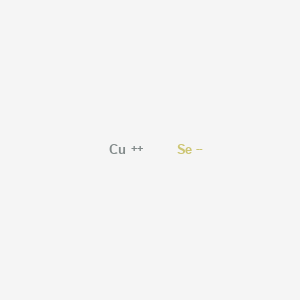
Substance CuSe (Đồng(II) selenua)

CuSe-dong(II)+selenua-614

Đồng selenua là một hợp chất nhị phân vô cơ bao gồm đồng và selen, là chất rắn có công thức là CuSe. Đồng selenua là khoáng chất selen phổ biến nhất. CuSe được biết đến trong khoáng vật học với tên gọi klockmannite. trong khi Cu2Se xuất hiện dưới dạng hai dạng đa hình, berzelianite và bellidoit. Cho đến nay, có nhiều đồng selenua tự nhiên hơn, bao gồm umangit, Cu3Se2 và athabascait, Cu5Se4.

Total rating:

Rating: / 5 star


Interesting facts about chemistry you may not know

Interesting facts about hydrogen - the lightest element in the periodic table.

Hydrogen is the first element in the periodic system table. Hydrogen is known to be the lightest of all, the most abundant in the Universe, the essential element for life

View more

Interesting facts about helium

Helium is the first rare gas element in the periodic system table. In the Universe, it ranks second in abundance after elemental hydrogen.

View more

Interesting facts about lithium

Lithium is the alkali metal element, located in the third cell in the periodic table system. Lithium is the lightest of all solid metals and can cut a knife.

View more

Interesting Facts About Beryllium

Beryllium is the lightest alkaline earth metal. Beryllium is found in precious stones such as emeralds and aquamarine. Beryllium and its compounds are both carcinogenic.

View more

Interesting Facts About Carbon

Carbon is the non-metallic element in the sixth cell in the periodic system table. Carbon is one of the most important elements in all life, it is also known as the back.

View more