 Periodic table
  Electron configuration
  Solubility table
  Metal operating range
  News
News 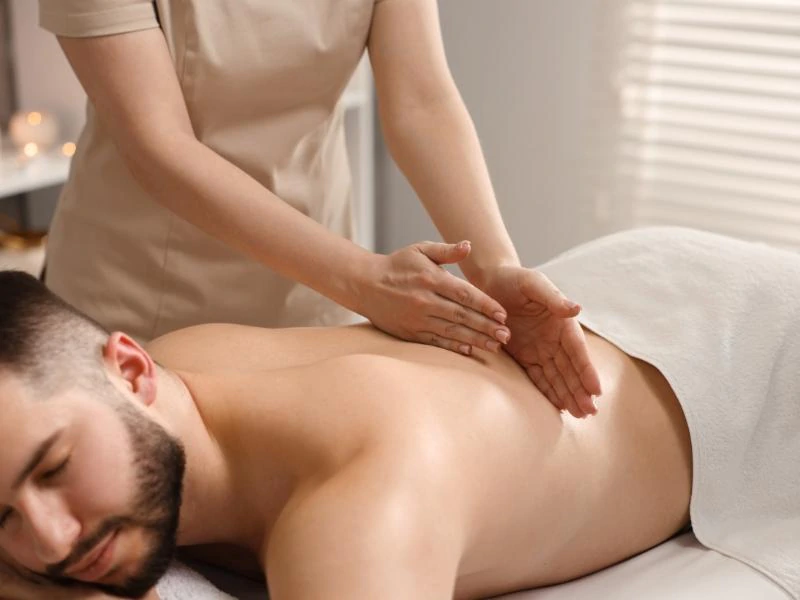
The athletic culture in Bahrain continues to expand rapidly, spanning endurance running, functional fitness training, competitive football, and fast-growing sports like padel tennis. However, demanding training regimens frequently carry the risk of chronic muscle fatigue, tendon inflammation, and connective tissue sprains. For competitive athletes and dedicated fitness enthusiasts, specialized massage bahrain treatments serve as a scientifically validated recovery method to prevent injury and support sustained athletic performance.
Biomechanical Muscle Strain from High-Intensity Athletic Training
Understanding the cellular and mechanical changes that take place during heavy exertion highlights the importance of regular manual therapy.
Delayed Onset Muscle Soreness (DOMS)
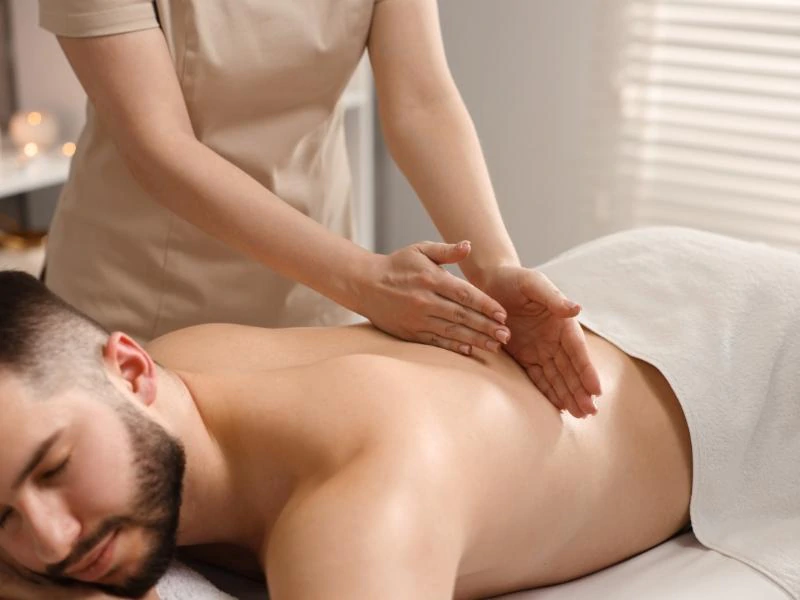
Intense concentric and eccentric contractions create microscopic tears along muscle fibers. Within 24 to 48 hours, localized inflammation, combined with metabolic byproducts like hydrogen ions, causes persistent soreness, muscle stiffness, and temporary reductions in force output.
Fascial Dehydration and Structural Adhesions
Repetitive, high-volume athletic movements cause the collagen-rich fascial sheets surrounding muscle bellies to lose fluid and adhere to one another. These fascial adhesions restrict smooth fiber gliding, decrease joint range of motion, and heighten the risk of acute muscle tears during explosive movements.
Agonist-Antagonist Muscular Imbalances
Repetitive athletic drills often overdevelop primary movers (such as hip flexors and quadriceps) while under-recruiting stabilizing antagonists. This muscular imbalance shifts healthy joint mechanics across the knees, hips, and lumbar spine, inviting chronic compensatory injuries.
Core Techniques in Advanced Sports Massage Protocols
Targeted sports massage utilizes focused manual modalities designed to decompress deep fascial structures and realign connective tissue fibers.

Cross-Fiber Friction Techniques Across Tendinous Junctions
Therapists apply firm transverse thumb and fingertip friction perpendicular to muscle fiber orientations near tendon attachments. This mechanical friction breaks down disorganized scar tissue, softens fibrotic adhesions, and encourages proper collagen alignment during tissue healing.
Ischemic Compression to Deactivate Myofascial Trigger Points
Hyperirritable trigger points causing localized spasm are isolated and treated with sustained, direct compression using thumbs or elbows for 30 to 60 seconds. Releasing this sustained pressure draws fresh, oxygen-rich arterial blood back into previously hypoxic tissues.
Proprioceptive Neuromuscular Facilitation (PNF) Stretching
Sessions integrate contract-relax PNF stretching. By having the client perform brief isometric contractions against resistance followed by passive lengthening, Golgi tendon organ reflexes are activated, producing significant gains in hip, hamstring, and shoulder mobility.
Optimal Timing Strategies for Athletic Massage Sessions
To maximize athletic gains, bodywork sessions should be strategically timed around training cycles and competitive events.
Pre-Event Priming Massage (Pre-Competition)
Conducted 30 to 60 minutes prior to competition, this brief 15-to-20-minute routine uses rapid, stimulating friction and gentle percussive tapping. The goal is to warm muscle beds, stimulate circulation, and sharpen neural alertness without fatiguing the athlete.
Post-Event Rapid Clearance Massage (Post-Competition)
Administered within 2 to 24 hours after exhaustive performance, therapists focus on slow, broad effleurage strokes moving toward the heart. This facilitates venous return, speeds metabolic waste clearance, and eases acute calf and hamstring cramping.
Weekly Musculoskeletal Maintenance Protocols
Many athletes book weekly or bi-weekly deep maintenance sessions at dedicated centers for massage in bahrain. Regular maintenance helps identify and treat latent muscle knots before they progress into acute strains.
Crucial Post-Treatment Rules for Athletes
Post-session habits directly impact how quickly muscle tissues repair and adapt following intensive deep tissue bodywork.
Replenishing Fluids and Essential Electrolytes
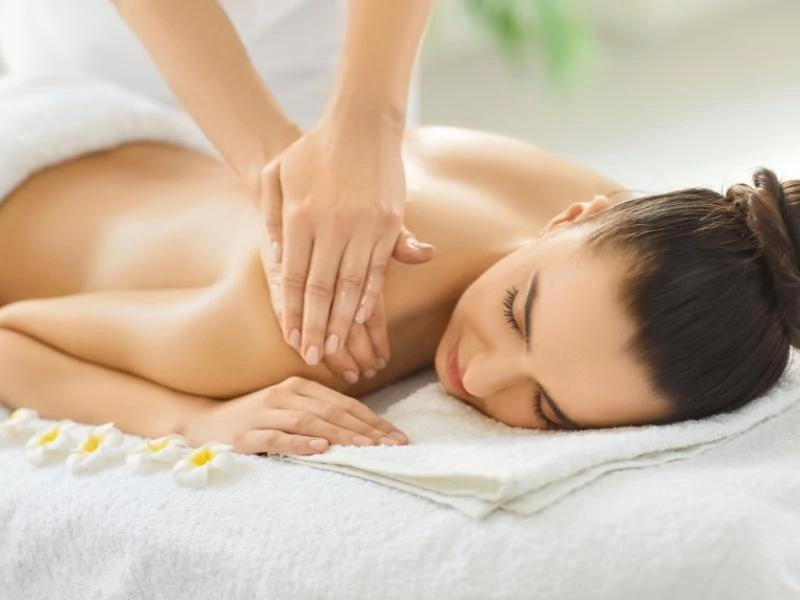
Deep bodywork moves metabolic byproducts back into general circulation. Drinking 500ml to one liter of fresh water or coconut water rich in potassium and sodium helps the kidneys filter waste and keeps newly mobilized muscle tissues properly hydrated.
Avoiding Heavy Lifting Immediately Following Treatment
After an intensive sports therapy session, muscle fibers undergo structural remodeling while neural pathways are in a relaxed state. Allow at least 24 hours of light activity or gentle walking; avoid heavy resistance training or maximal sprinting on the same day.
Utilizing Warm Epsom Salt Baths for Enhanced Recovery
Soaking in warm water mixed with magnesium-rich Epsom salts for 15 minutes during the evening maintains muscle pliability, calms peripheral sensory receptors, and encourages deep, uninterrupted sleep.
Sustaining Peak Athletic Longevity
Sports provide vitality and personal fulfillment, but long-term athletic success requires consistent, intelligent recovery habits. Treating sports massage as an essential component of your training program helps safeguard your joints and connective tissues. Proactive care ensures you stay ahead of strain and perform at your physical best.
001



.jpg)